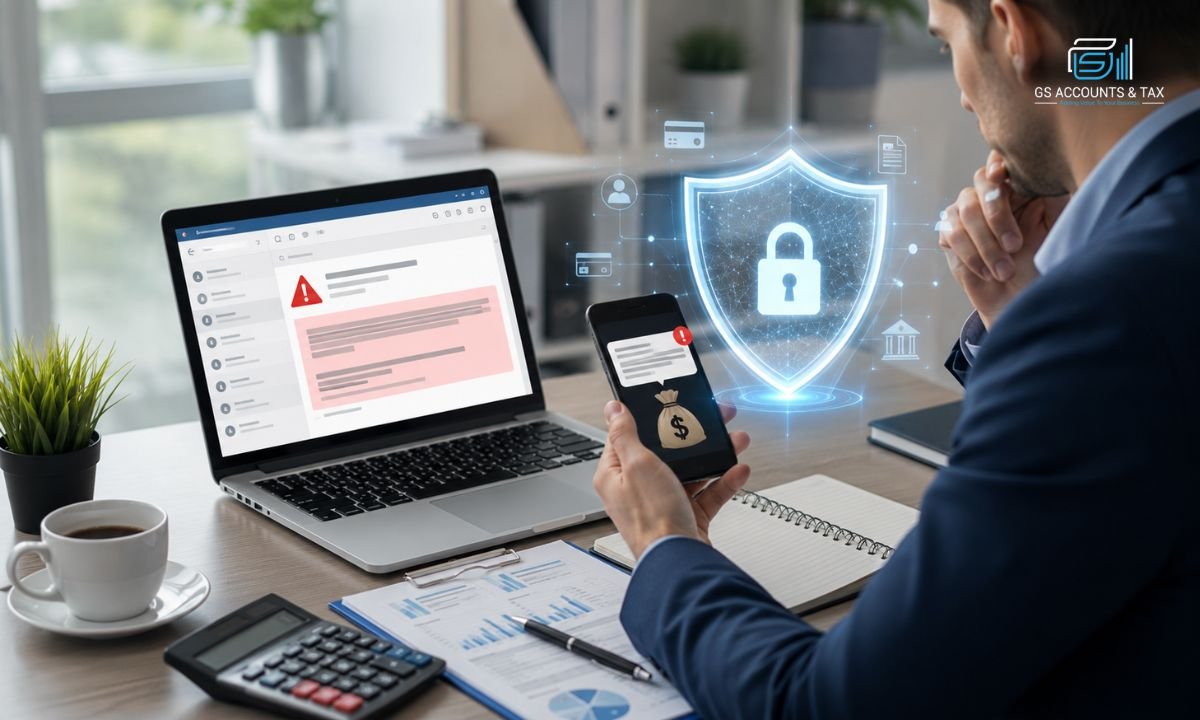
As the end of the financial year approaches, Australians are being urged to stay alert as cybercriminals increase their efforts to steal personal and financial information through tax-related scams.
Industry organizations, including CPA Australia and National Australia Bank (NAB), have warned that scammers are becoming more sophisticated by impersonating trusted government agencies such as the Australian Taxation Office (ATO) and myGov.
Understanding how these scams work can help individuals and businesses avoid becoming victims during tax time.
Why Tax Scams Increase During Tax Season
Tax season is one of the busiest periods of the year for Australians lodging tax returns or communicating with the ATO. Scammers take advantage of this increased activity by sending fake emails, SMS messages, phone calls, and social media messages that appear legitimate.
These fraudulent communications often encourage recipients to click malicious links, provide sensitive personal information, or make immediate payments for fake tax debts.
Common Tax Scams Australians Should Watch For
Cybercriminals use a variety of tactics to trick taxpayers. Some of the most common tax scams include:
- ATO impersonation scams using fake text messages or emails claiming urgent action is required.
- Fake tax refund offers asking taxpayers to provide banking details or pay processing fees before receiving a refund.
- Tax debt scams that threaten legal action or arrest unless immediate payment is made.
- Fraudulent tax advice accounts operating through fake social media profiles pretending to represent the ATO.
- TFN and ABN scams where fake websites collect personal information or charge unnecessary fees for government services.
How to Identify a Tax Scam
Although scam messages continue to improve, there are still several warning signs that should not be ignored.
Be cautious if you receive communications that:
- Contain spelling or grammatical mistakes.
- Include unexpected links or QR codes.
- Create urgency by demanding immediate payment or action.
- Request confidential information such as your Tax File Number (TFN), passwords, or banking details.
- Come from email addresses or phone numbers that appear unusual or unofficial.
The ATO generally does not send unsolicited SMS messages containing hyperlinks requesting taxpayers to log in or provide personal information.
Younger Australians Are Increasingly Targeted
Recent reports indicate that Australians aged between 25 and 34 have become one of the most common targets of tax impersonation scams.
While younger adults are often confident using technology, scammers continue to develop convincing techniques that can deceive anyone. Older Australians and vulnerable individuals also remain frequent targets, making it important for families to discuss online safety together.
Tips to Stay Safe During Tax Time
Protecting yourself from tax scams starts with adopting safe online habits.
Consider the following best practices:
- Never click on links in unexpected emails or text messages.
- Verify any communication by contacting the organisation directly using its official website or publicly listed phone number.
- Never share your TFN, passwords, or banking details through email, SMS, or social media.
- Enable multi-factor authentication (MFA) on your myGov and other online accounts whenever available.
- Regularly monitor your financial accounts for suspicious activity.
Taking a few extra moments to verify a message can prevent identity theft and financial loss.
What To Do If You Receive a Suspicious Message
If you believe you’ve received a scam message claiming to be from the ATO or another government agency, avoid interacting with the message.
Instead:
- Delete suspicious emails or SMS messages.
- Do not click any links or download attachments.
- Report suspected scams through the Australian Taxation Office or Scamwatch.
- Contact your bank immediately if you have shared financial information or made a payment.
Prompt action can help minimise the impact of fraud and protect your personal information.
Final Thoughts
Tax scams continue to evolve each year, making awareness one of the most effective forms of protection. Whether you’re lodging an individual tax return or managing a business, remaining cautious with unexpected communications can significantly reduce the risk of becoming a victim.
If you’re unsure about any tax-related communication, seek advice from a qualified accountant or contact the Australian Taxation Office directly before taking any action.
Disclaimer
This article is provided for general informational purposes only and should not be considered tax, legal, or financial advice. Tax laws and scam techniques may change over time. If you receive suspicious tax-related communications or require professional taxation advice, consult a registered tax professional or contact the Australian Taxation Office through its official channels.